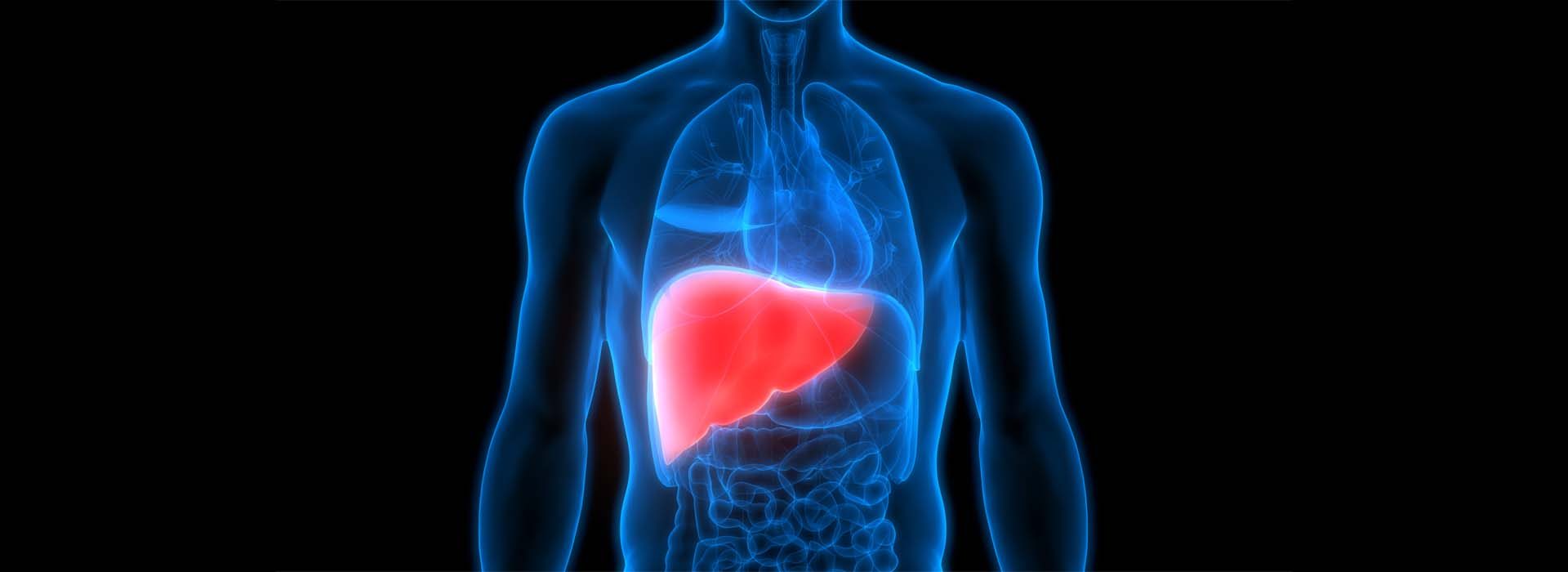
If signs and symptoms of liver disease do occur, the may include: Skin and eyes that appear yellowish (jaundice) Abdominal pain and swelling. Swelling in the legs and ankles. Itchy skin. Dark urine color. Pale stool color. Chronic fatigue. Nausea or vomiting.
Liver Problems Services
HEMORRHOID & PILES
(बवासीर (पाइल्स))
Swollen and inflamed veins in the rectum and anus that cause discomfort and bleeding. Haemorrhoids are usually caused by straining during bowel movements, obesity or pregnancy.
Dysphagia refers to a difficulty in swallowing – it takes more effort than normal to move food from the mouth to the stomach. Usually caused by nerve or muscle problems, dysphagia can be painful and is more common in older people and babies.
aundice may occur if the liver can’t efficiently process red blood cells as they break down. It’s normal in healthy newborns and usually clears on its own. At other ages, it may signal infection or liver disease.
Stomach diseases include stomach cancer, gastritis, peptic ulcers, gastroparesis. Many stomach diseases are associated with infection, such as with Helicobacter pylori. Common symptoms are nausea, bloating, diarrhoea and abdominal pain.
Stomach flu is typically spread by contact with an infected person or through contaminated food or water. Diarrhoea, cramps, nausea, vomiting and low-grade fever are common symptoms.
Bloating can have causes that aren’t due to underlying disease. Examples include drinking carbonated beverages, eating a large meal, menstruation, constipation or wind.
Constipation occurs when bowel movements become less frequent and stools become difficult to pass. It happens most often due to changes in diet or routine, or due to inadequate intake of fiber.
Haemorrhoids are usually caused by straining during bowel movements, obesity or pregnancy. Discomfort is a common symptom, especially during bowel movements or when sitting. Other symptoms include itching and bleeding.
